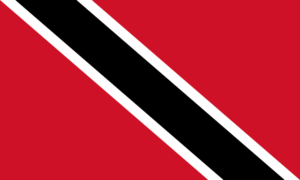
Trinidad and Tobago
First colonized by the Spanish, Trinidad and Tobago came under British control in the early 19th century. The emancipation of enslaved people in 1834 disrupted the twin islands' sugar industry.
Location
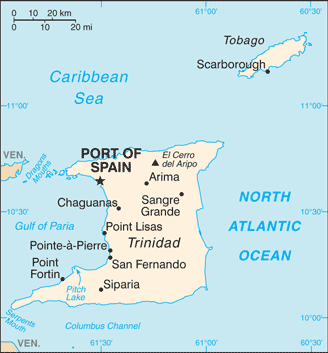
Source: CIA World Factbook (public domain)
Geography
Pitch Lake, on Trinidad's southwestern coast, is the world's largest natural reservoir of asphalt
Source: CIA World Factbook (public domain)
History
First colonized by the Spanish, Trinidad and Tobago came under British control in the early 19th century. The emancipation of enslaved people in 1834 disrupted the twin islands' sugar industry. Contract workers arriving from India between 1845 and 1917 augmented the labor force, which boosted sugar production as well as the cocoa industry. The discovery of oil on Trinidad in 1910 added another important export that remains the country's dominant industry. Trinidad and Tobago attained independence in 1962. The country is one of the most prosperous in the Caribbean, thanks largely to petroleum and natural gas production and processing. The government is struggling to reverse a surge in violent crime.
Source: CIA World Factbook (public domain)
Government
parliamentary republic. Independence: 31 August 1962 (from the UK)
Source: CIA World Factbook (public domain)
Economy
high-income Caribbean economy; major hydrocarbon exporter; key tourism and finance sectors; high inflation and growing public debt; long foreign currency access delays; large foreign reserves and sovereign wealth fund
Source: CIA World Factbook (public domain)
Suggested Reading
Adopt This Country
Will you help us keep the Trinidad and Tobago page accurate and up to date?
Adopt This Country