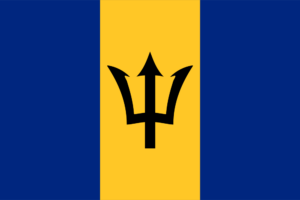
Barbados
Barbados was uninhabited when first settled by the British in 1627. Enslaved Africans worked the sugar plantations established on the island, which initially dominated the Caribbean sugar industry.
Location

Source: CIA World Factbook (public domain)
Geography
easternmost Caribbean island
Source: CIA World Factbook (public domain)
History
Barbados was uninhabited when first settled by the British in 1627. Enslaved Africans worked the sugar plantations established on the island, which initially dominated the Caribbean sugar industry. By 1720, Barbados was no longer a dominant force within the sugar industry, having been surpassed by the Leeward Islands and Jamaica. Slavery was abolished in 1834. The Barbadian economy remained heavily dependent on sugar, rum, and molasses production through most of the 20th century. The gradual introduction of social and political reforms in the 1940s and 1950s led to independence from the UK in 1966. In the 1990s, tourism and manufacturing surpassed the sugar industry in economic importance. Barbados became a republic in 2021, with the former Governor-General Sandra MASON elected as the first president.
Source: CIA World Factbook (public domain)
Government
parliamentary republic; a Commonwealth realm. Independence: 30 November 1966 (from the UK)
Source: CIA World Factbook (public domain)
Economy
high-income Eastern Caribbean economy; high standard of living among regional peers; key tourism, construction, and financial sectors driving recent GDP growth; declining but still very high public debt leading to IMF support programs; susceptible to natural disasters and reliance on import partners
Source: CIA World Factbook (public domain)
Suggested Reading
Adopt This Country
Will you help us keep the Barbados page accurate and up to date?
Adopt This Country