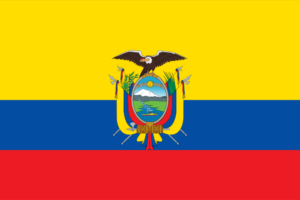
Ecuador
What is now Ecuador formed part of the northern Inca Empire until the Spanish conquest in 1533. Quito -- the traditional name for the area -- became a seat of Spanish colonial government in 1563 and part of the Viceroyalty of New Granada in 1717.
Location

Source: CIA World Factbook (public domain)
Geography
Cotopaxi in the Andes is highest active volcano in world
Source: CIA World Factbook (public domain)
History
What is now Ecuador formed part of the northern Inca Empire until the Spanish conquest in 1533. Quito -- the traditional name for the area -- became a seat of Spanish colonial government in 1563 and part of the Viceroyalty of New Granada in 1717. The territories of the Viceroyalty -- New Granada (Colombia), Venezuela, and Quito -- gained their independence between 1819 and 1822 and formed a federation known as Gran Colombia. When Quito withdrew to become an independent republic in 1830, the traditional name was changed to the "Republic of the Equator." Between 1904 and 1942, Ecuador lost territories in a series of conflicts with its neighbors. A border war with Peru that flared in 1995 was resolved in 1999. Although Ecuador has had nearly 50 years of civilian governance, the period has been marked by political instability.
Source: CIA World Factbook (public domain)
Government
presidential republic. Independence: 24 May 1822 (from Spain)
Source: CIA World Factbook (public domain)
Economy
highly informal South American economy; USD currency user; major banana exporter; hard hit by COVID-19; macroeconomic fragility from oil dependency; successful debt restructuring; China funding budget deficits; social unrest hampering economic activity
Source: CIA World Factbook (public domain)
Suggested Reading
Adopt This Country
Will you help us keep the Ecuador page accurate and up to date?
Adopt This Country