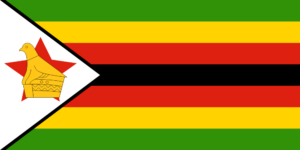
Zimbabwe
The Country of the Week
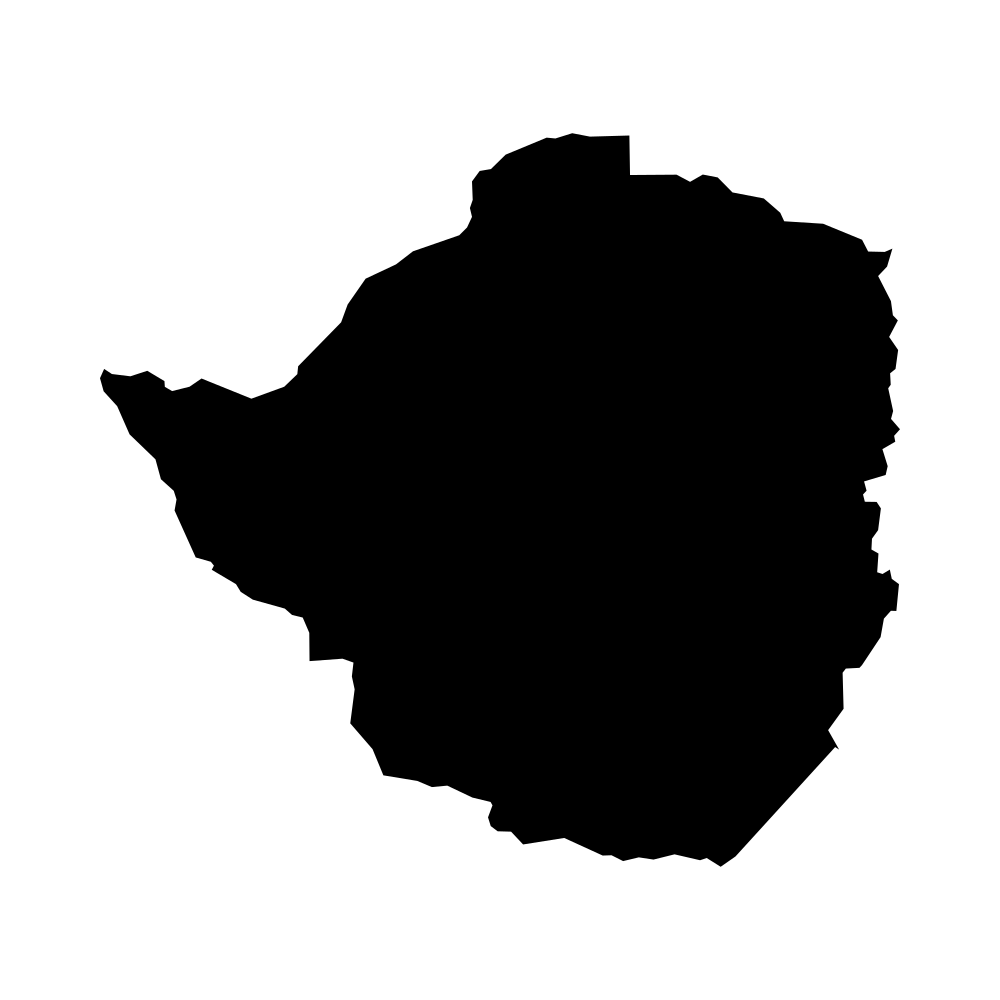
Quick Facts
- Capital
- Harare
- Population
- 17,472,752 (2025 est.)
- Area
- 390,757 sq km
- Government
- presidential republic
- Languages
- Shona (official, most widely spoken) 80.9%, Ndebele (official, second most widely spoken) 11.5%, English (official, traditionally used for official business) 0.3%, 13 minority languages (official; includes Chewa, Chibarwe, Kalanga, Koisan, Nambya, Ndau, Shangani, sign language, Sotho, Tonga, Tswana, Venda, and Xhosa) 7%, other 0.3% (2022 est.)
- Religions
- Apostolic Sect 40.3%, Pentecostal 17%, Protestant 13.8%, other Christian 7.8%, Roman Catholic 6.4%, African traditionalist 5%, other 1.5% (includes Muslim, Jewish, Hindu), none 8.3% (2022 est.)
- Ethnic Groups
- African 99.6% (predominantly Shona; Ndebele is the second largest ethnic group), other (includes Caucasian, Asiatic, mixed race) 0.4% (2022 est.)
- Currency
- Zimbabwean dollars (ZWD)
- Life Expectancy
- 67.2 years (2024 est.)
- Internet Domain
- .zw
- Climate
- tropical; moderated by altitude; rainy season (November to March)
- Terrain
- mostly high plateau with higher central plateau (high veld); mountains in east
- Natural Resources
- coal, chromium ore, asbestos, gold, nickel, copper, iron ore, vanadium, lithium, tin, platinum group metals
- Major Exports
- gold, tobacco, nickel, minerals, diamonds (2023)
Source: CIA World Factbook (public domain)
Overview
The hunter-gatherer San people first inhabited the area that eventually became Zimbabwe. Farming communities migrated to the area around A.D.