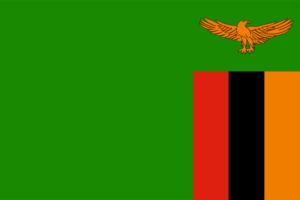
Zambia
The Country of the Week

Quick Facts
- Capital
- Lusaka
- Population
- 22,021,971 (2025 est.)
- Area
- 752,618 sq km
- Government
- presidential republic
- Languages
- Bemba 33.4%, Nyanja 14.7%, Tonga 11.4%, Lozi 5.5%, Chewa 4.5%, Nsenga 2.9%, Tumbuka 2.5%, Lunda (North Western) 1.9%, Kaonde 1.8%, Lala 1.8%, Lamba 1.8%, English (official) 1.7%, Luvale 1.5%, Mambwe 1.3%, Namwanga 1.2%, Lenje 1.1%, Bisa 1%, other 9.7%, unspecified 0.2% (2010 est.)
- Religions
- Protestant 75.3%, Roman Catholic 20.2%, other 2.7% (includes Muslim, Buddhist, Hindu, and Baha'i), none 1.8% (2010 est.)
- Ethnic Groups
- Bemba 21%, Tonga 13.6%, Chewa 7.4%, Lozi 5.7%, Nsenga 5.3%, Tumbuka 4.4%, Ngoni 4%, Lala 3.1%, Kaonde 2.9%, Namwanga 2.8%, Lunda (north Western) 2.6%, Mambwe 2.5%, Luvale 2.2%, Lamba 2.1%, Ushi 1.9%, Lenje 1.6%, Bisa 1.6%, Mbunda 1.2%, other 13.8%, unspecified 0.4% (2010 est.)
- Currency
- Zambian kwacha (ZMK)
- Life Expectancy
- 66.9 years (2024 est.)
- Internet Domain
- .zm
- Climate
- tropical; modified by altitude; rainy season (October to April)
- Terrain
- mostly high plateau with some hills and mountains
- Natural Resources
- copper, cobalt, zinc, lead, coal, emeralds, gold, silver, uranium, hydropower
- Major Exports
- raw copper, refined copper, gold, precious stones, electricity (2023)
Source: CIA World Factbook (public domain)
Overview
Bantu-speaking groups mainly from the Luba and Lunda Kingdoms in the Congo River Basin and from the Great Lakes region in East Africa settled in what is now Zambia beginning around A.D. 300, displacing and mixing with previous population groups in the region.