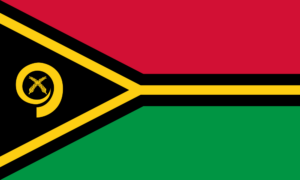
Vanuatu
The Country of the Week

Quick Facts
- Capital
- Port-Vila (on Efate)
- Population
- 318,007 (2024 est.)
- Area
- 12,189 sq km
- Government
- parliamentary republic
- Languages
- indigenous languages (more than 100) 82.6%, Bislama (official; creole) 14.5%, English (official) 2.1%, French (official) 0.8% (2020 est.)
- Religions
- Protestant 39.9% (Presbyterian 27.2%, Seventh Day Adventist 14.8%, Anglican 12%, Churches of Christ 5%, Assemblies of God 4.9%, Neil Thomas Ministry/Inner Life Ministry 3.2%), Roman Catholic 12.1%, Apostolic 2.3%, Church of Jesus Christ 1.8%, customary beliefs (including Jon Frum cargo cult) 3.1%, other 12%, none 1.4%, unspecified 0.1% (2020 est.)
- Ethnic Groups
- Ni-Vanuatu 99%, other 1% (European, Asian, other Melanesian, Polynesian, Micronesian, other) (2020 est.)
- Currency
- vatu (VUV)
- Life Expectancy
- 75.7 years (2024 est.)
- Internet Domain
- .vu
- Climate
- tropical; moderated by southeast trade winds from May to October; moderate rainfall from November to April; may be affected by cyclones from December to April
- Terrain
- mostly mountainous islands of volcanic origin; narrow coastal plains
- Natural Resources
- manganese, hardwood forests, fish
- Major Exports
- fish, ships, perfume plants, wood, copra (2023)
Source: CIA World Factbook (public domain)
Overview
Austronesian speakers from the Solomon Islands first settled Vanuatu around 2000 B.C. By around 1000, localized chieftain systems began to develop on the islands. Around 1600, Melanesian Chief ROI MATA united some of the islands of modern-day Vanuatu under his rule.