
Namibia
The Country of the Week
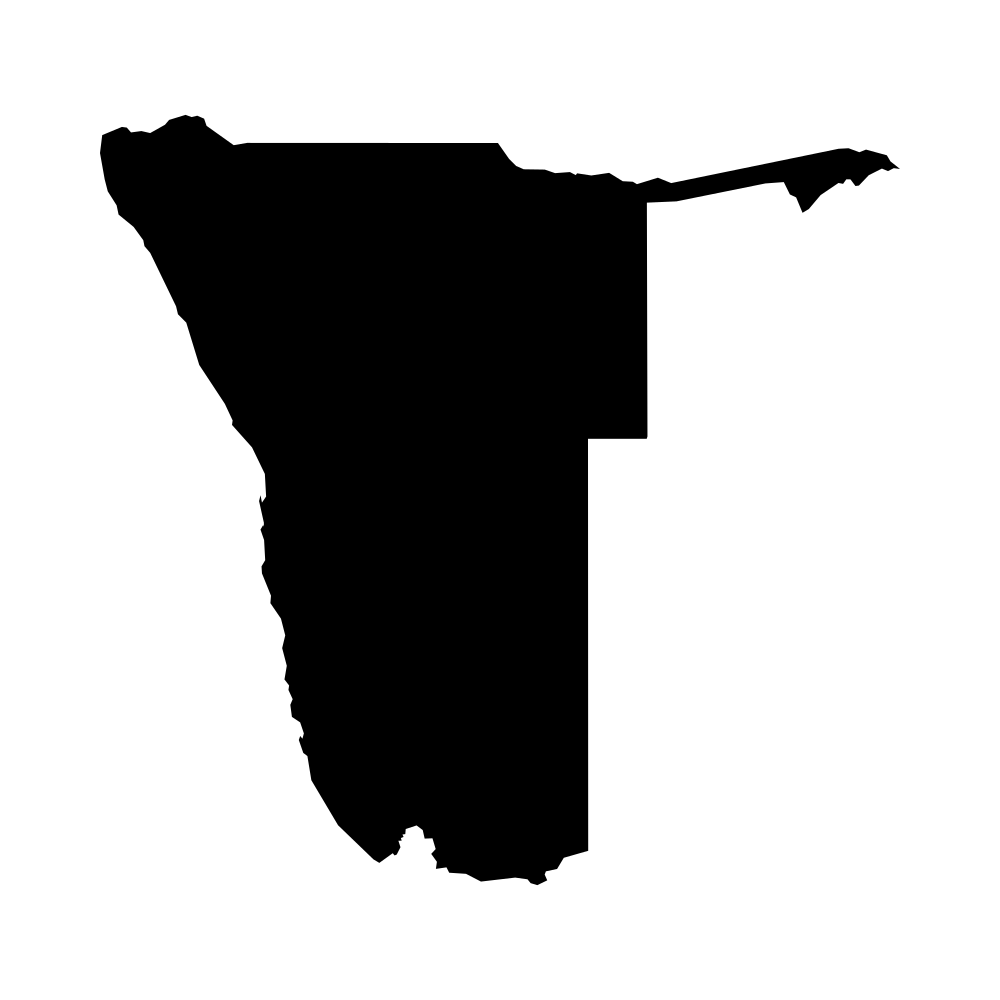
Quick Facts
- Capital
- Windhoek
- Population
- 2,852,777 (2025 est.)
- Area
- 824,292 sq km
- Government
- presidential republic
- Languages
- Oshiwambo languages 49.7%, Nama/Damara 11%, Kavango languages 10.4%, Afrikaans 9.4%, Herero languages 9.2%, Zambezi languages 4.9%, English (official) 2.3%, other African languages 1.5%, other European languages 0.7%, other 1% (2016 est.)
- Religions
- Christian 97.5%, other 0.6% (includes Muslim, Baha'i, Jewish, Buddhist), unaffiliated 1.9% (2020 est.)
- Ethnic Groups
- Ovambo 50%, Kavangos 9%, Herero 7%, Damara 7%, mixed European and African ancestry 6.5%, European 6%, Nama 5%, Caprivian 4%, San 3%, Baster 2%, Tswana 0.5%
- Currency
- Namibian dollars (NAD)
- Life Expectancy
- 65.9 years (2024 est.)
- Internet Domain
- .na
- Climate
- desert; hot, dry; rainfall sparse and erratic
- Terrain
- mostly high plateau; Namib Desert along coast; Kalahari Desert in east
- Natural Resources
- diamonds, copper, uranium, gold, silver, lead, tin, lithium, cadmium, tungsten, zinc, salt, hydropower, fish
- Major Exports
- gold, diamonds, radioactive chemicals, fish, refined petroleum (2023)
Source: CIA World Factbook (public domain)
Overview
Various ethnic groups occupied southwestern Africa prior to Germany establishing a colony over most of the territory in 1884.