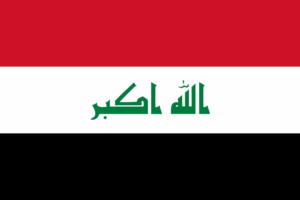
Iraq
The Country of the Week

Quick Facts
- Capital
- Baghdad
- Population
- 42,917,742 (2025 est.)
- Area
- 438,317 sq km
- Government
- federal parliamentary republic
- Religions
- Muslim (official) 95-98% (Shia 61-64%, Sunni 29-34%), Christian 1% (includes Catholic, Orthodox, Protestant, Assyrian Church of the East), other 1-4% (2015 est.)
- Ethnic Groups
- Arab 75-80%, Kurdish 15-20%, other 5% (includes Turkmen, Yezidi, Shabak, Kaka'i, Bedouin, Romani, Assyrian, Circassian, Sabaean-Mandaean, Persian)
- Currency
- Iraqi dinars (IQD)
- Life Expectancy
- 73.7 years (2024 est.)
- Internet Domain
- .iq
- Climate
- mostly desert; mild to cool winters with dry, hot, cloudless summers; northern mountainous regions along Iranian and Turkish borders experience cold winters with occasionally heavy snows that melt in early spring, sometimes causing extensive flooding in central and southern Iraq
- Terrain
- mostly broad plains; reedy marshes along Iranian border in south with large flooded areas; mountains along borders with Iran and Turkey
- Natural Resources
- petroleum, natural gas, phosphates, sulfur
- Major Exports
- crude petroleum, refined petroleum, petroleum coke, gold, natural gas (2023)
Source: CIA World Factbook (public domain)
Overview
Formerly part of the Ottoman Empire, Iraq was occupied by the United Kingdom during World War I and was declared a League of Nations mandate under UK administration in 1920. Iraq attained its independence as a kingdom in 1932.