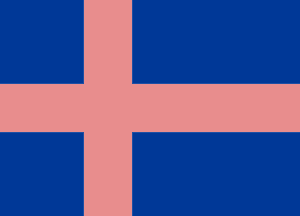
Iceland
The Country of the Week

Quick Facts
- Capital
- Reykjavik
- Population
- 364,036 (2024 est.)
- Area
- 103,000 sq km
- Government
- unitary parliamentary republic
- Languages
- Icelandic, English, Polish, Nordic languages, German
- Religions
- Evangelical Lutheran Church of Iceland (official) 58.6% Roman Catholic 3.8%, Independent Congregation of Reykjavik 2.6%, Independent Congregation of Hafnarfjordur 1.9%, pagan worship 1.5%, Icelandic Ethical Humanist Association 1.4%, other (includes Zuist and Pentecostal) or unspecified 18.7%, none 7.7% (2024 est.)
- Ethnic Groups
- Icelandic 78.7%, Polish 5.8%, Danish 1%, Ukrainian 1%, other 13.5% (2024 est.)
- Currency
- Icelandic kronur (ISK)
- Life Expectancy
- 84 years (2024 est.)
- Internet Domain
- .is
- Climate
- temperate; moderated by North Atlantic Current; mild, windy winters; damp, cool summers
- Terrain
- mostly plateau interspersed with mountain peaks, icefields; coast deeply indented by bays and fiords
- Natural Resources
- fish, hydropower, geothermal power, diatomite
- Major Exports
- aluminum, fish, orthopedic appliances, animal meal, iron alloys (2023)
Source: CIA World Factbook (public domain)
Overview
Settled by Norwegian and Celtic (Scottish and Irish) immigrants during the late 9th and 10th centuries A.D., Iceland boasts the world's oldest functioning legislative assembly, the Althingi, which was established in 930.