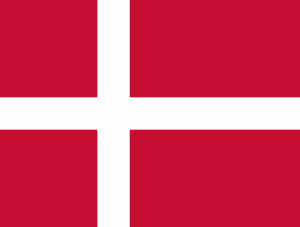
Denmark
The Country of the Week
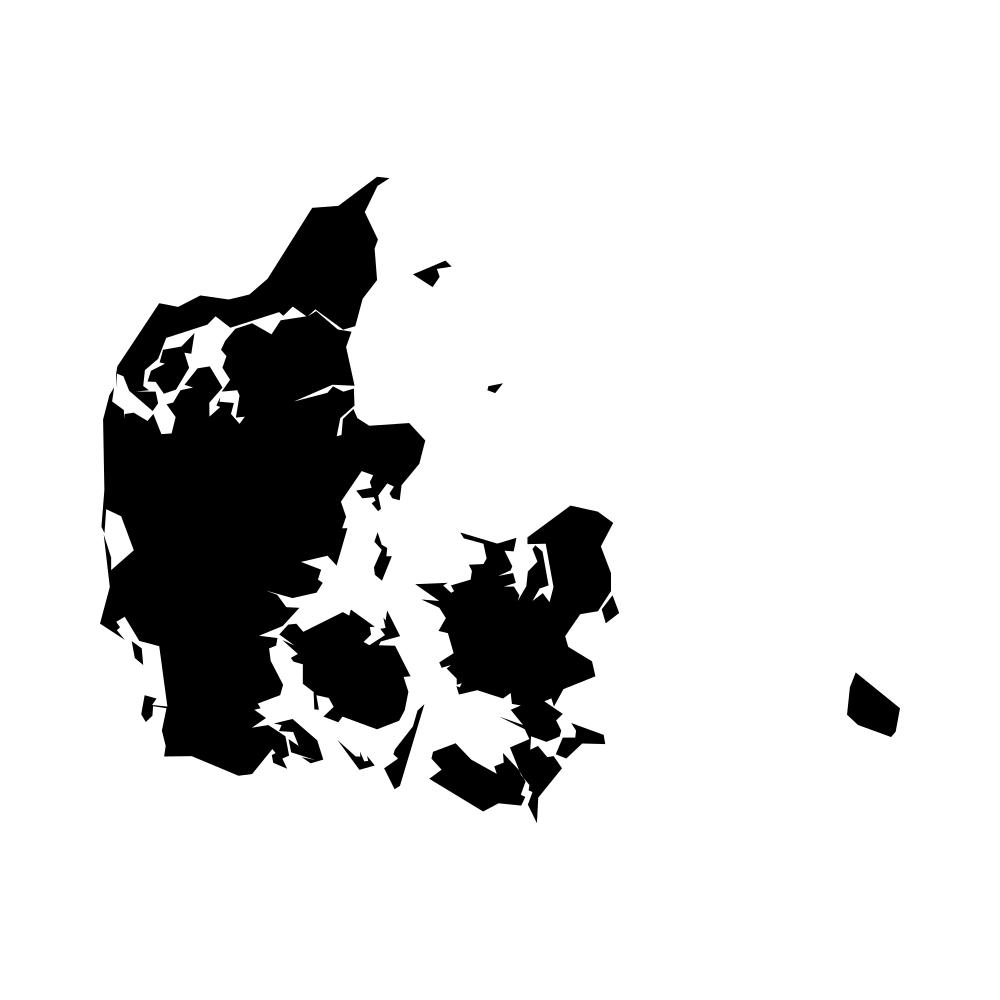
Quick Facts
- Capital
- Copenhagen
- Population
- 6,051,491 (2025 est.)
- Area
- 43,094 sq km
- Government
- parliamentary constitutional monarchy
- Religions
- Evangelical Lutheran (official) 71.4%, Muslim 4.3%, other/none/unspecified (denominations include Roman Catholic, Jehovah's Witness, Serbian Orthodox Christian, Jewish, Baptist, Buddhist, Church of Jesus Christ, Pentecostal, and nondenominational Christian) 24.3% (2024 est.)
- Ethnic Groups
- Danish (includes Greenlandic (who are predominantly Inuit) and Faroese) 84.2%, Turkish 1.1%, other 14.7% (largest groups are Polish, Romanian, Syrian, Ukrainian, German, and Iraqi) (2023 est.)
- Currency
- Danish kroner (DKK)
- Life Expectancy
- 82.1 years (2024 est.)
- Internet Domain
- .dk
- Climate
- temperate; humid and overcast; mild, windy winters and cool summers
- Terrain
- low and flat to gently rolling plains
- Natural Resources
- petroleum, natural gas, fish, arable land, salt, limestone, chalk, stone, gravel and sand
- Major Exports
- packaged medicine, fish, vaccines, refined petroleum, pork (2023)
Source: CIA World Factbook (public domain)
Overview
Once the seat of Viking raiders and later a major north European power, Denmark has evolved into a modern, prosperous nation that is part of the general political and economic integration of Europe. It joined NATO in 1949 and the EEC (now the EU) in 1973.