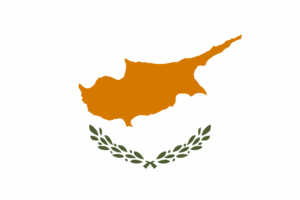
Cyprus
The Country of the Week
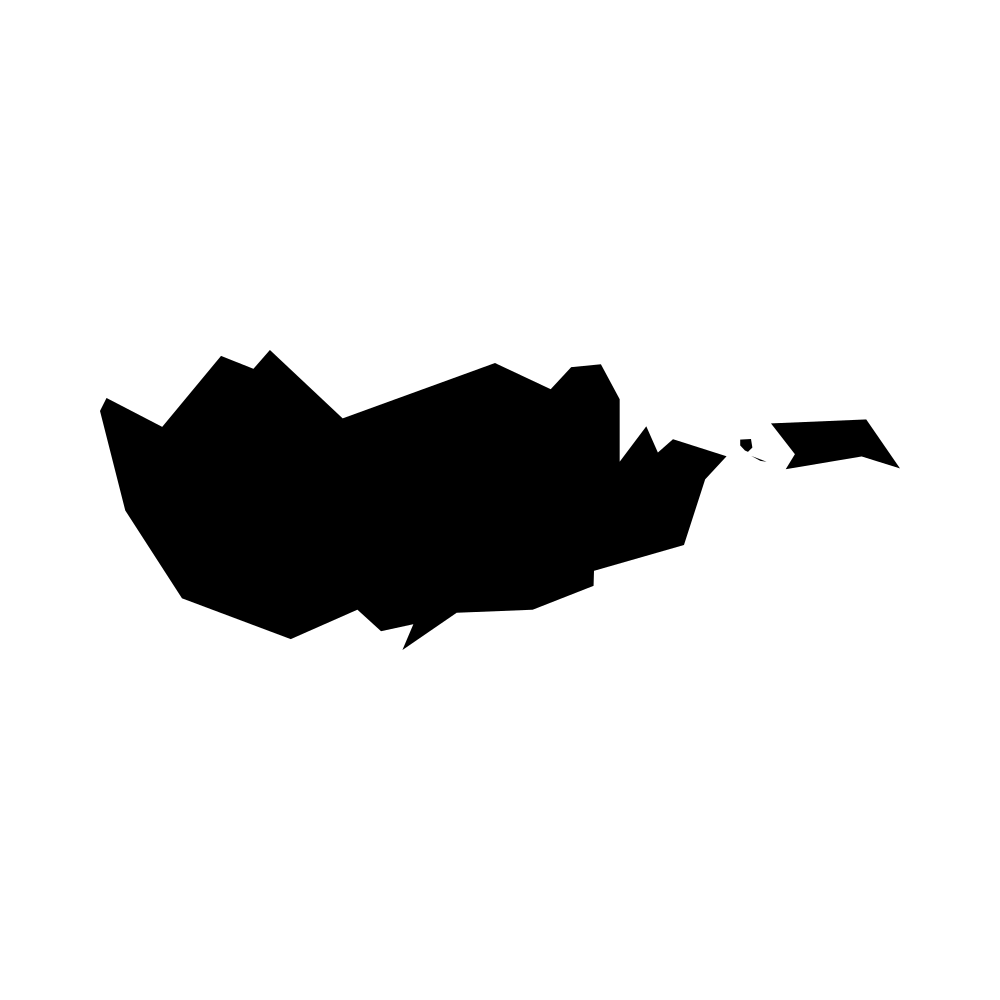
Quick Facts
- Capital
- Nicosia (Lefkosia/Lefkosa)
- Population
- 1,332,293 (2025 est.)
- Area
- 9,251 sq km (of which 3,355 sq km are in north Cyprus)
- Government
- Republic of Cyprus - presidential republic; self-declared "Turkish Republic of Northern Cyprus" (TRNC) - parliamentary republic with enhanced presidency
- Religions
- Eastern Orthodox Christian 89.1%, Roman Catholic 2.9%, Protestant/Anglican 2%, Muslim 1.8%, Buddhist 1%, other (includes Maronite Catholic, Armenian Apostolic, Hindu) 1.4%, unknown 1.1%, none/atheist 0.6% (2011 est.)
- Ethnic Groups
- Greek 98.8%, other 1% (includes Maronite, Armenian, Turkish-Cypriot), unspecified 0.2% (2011 est.)
- Currency
- euros (EUR)
- Life Expectancy
- 80.2 years (2024 est.)
- Internet Domain
- .cy
- Climate
- temperate; Mediterranean with hot, dry summers and cool winters
- Terrain
- central plain with mountains to north and south; scattered but significant plains along southern coast
- Natural Resources
- copper, pyrites, asbestos, gypsum, timber, salt, marble, clay earth pigment
- Major Exports
- ships, refined petroleum, packaged medicine, cheese, scented mixtures (2023)
Source: CIA World Factbook (public domain)
Overview
A former British colony, Cyprus became independent in 1960 after years of resistance to British rule. Tensions between the Greek Cypriot majority and Turkish Cypriot minority came to a head in December 1963, when violence broke out in the capital of Nicosia.