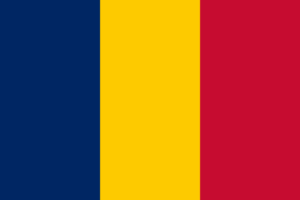
Chad
The Country of the Week
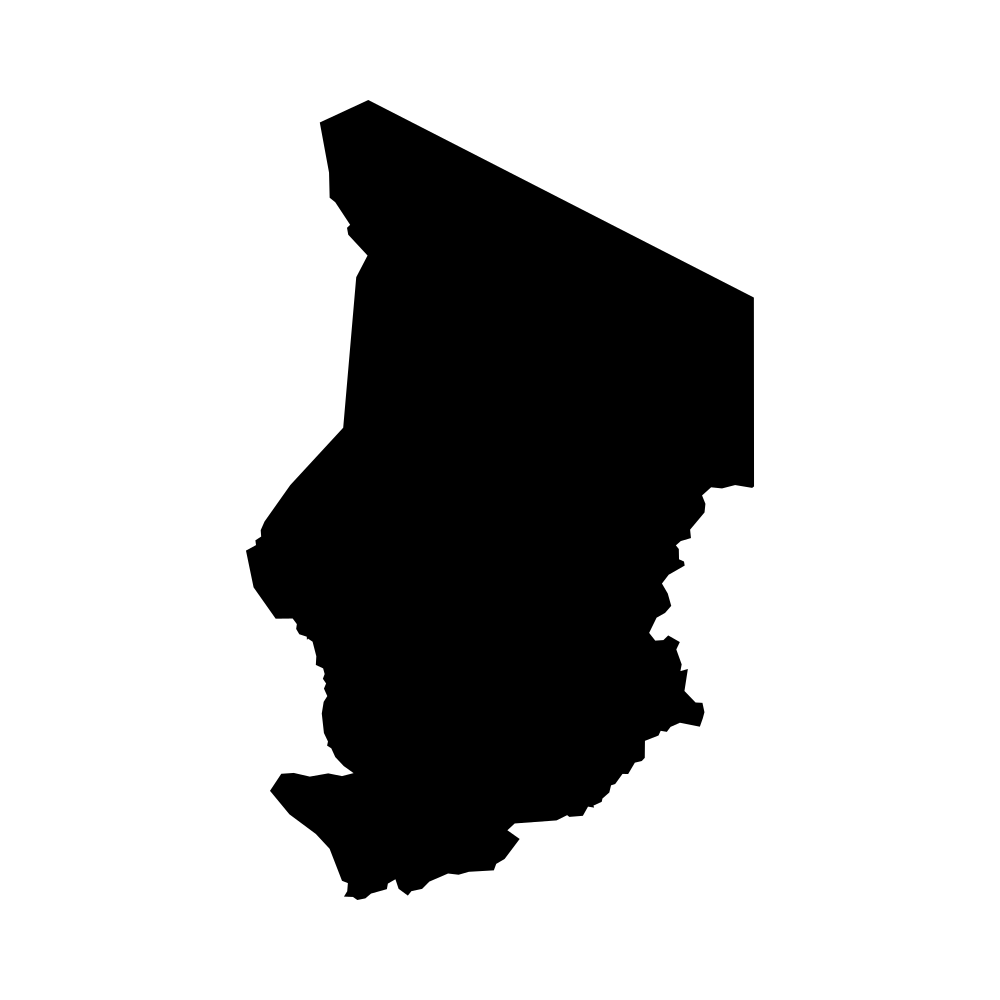
Quick Facts
- Capital
- N'Djamena
- Population
- 19,674,004 (2025 est.)
- Area
- 1.284 million sq km
- Government
- presidential republic
- Religions
- Muslim 52.1%, Protestant 23.9%, Roman Catholic 20%, animist 0.3%, other Christian 0.2%, none 2.8%, unspecified 0.7% (2014-15 est.)
- Ethnic Groups
- Sara (Ngambaye/Sara/Madjingaye/Mbaye) 30.5%, Kanembu/Bornu/Buduma 9.8%, Arab 9.7%, Wadai/Maba/Masalit/Mimi 7%, Gorane 5.8%, Masa/Musseye/Musgum 4.9%, Bulala/Medogo/Kuka 3.7%, Marba/Lele/Mesme 3.5%, Mundang 2.7%, Bidiyo/Migaama/Kenga/Dangleat 2.5%, Dadjo/Kibet/Muro 2.4%, Tupuri/Kera 2%, Gabri/Kabalaye/Nanchere/Somrai 2%, Fulani/Fulbe/Bodore 1.8%, Karo/Zime/Peve 1.3%, Baguirmi/Barma 1.2%, Zaghawa/Bideyat/Kobe 1.1%, Tama/Assongori/Mararit 1.1%, Mesmedje/Massalat/Kadjakse 0.8%, other 4.6%, unspecified 1.7% (2014-15 est.)
- Currency
- Cooperation Financiere en Afrique Centrale francs (XAF)
- Life Expectancy
- 60 years (2024 est.)
- Internet Domain
- .td
- Climate
- tropical in south, desert in north
- Terrain
- broad, arid plains in center, desert in north, mountains in northwest, lowlands in south
- Natural Resources
- petroleum, uranium, natron, kaolin, fish (Lake Chad), gold, limestone, sand and gravel, salt
- Major Exports
- crude petroleum, gold, oil seeds, gum resins, cotton (2023)
Source: CIA World Factbook (public domain)
Overview
Chad emerged from a collection of powerful states that controlled the Sahelian belt starting around the 9th century. These states focused on controlling trans-Saharan trade routes and profited mostly from the slave trade.