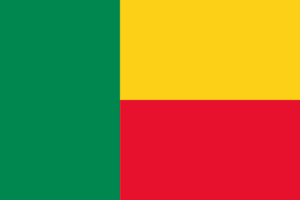
Benin
The Country of the Week
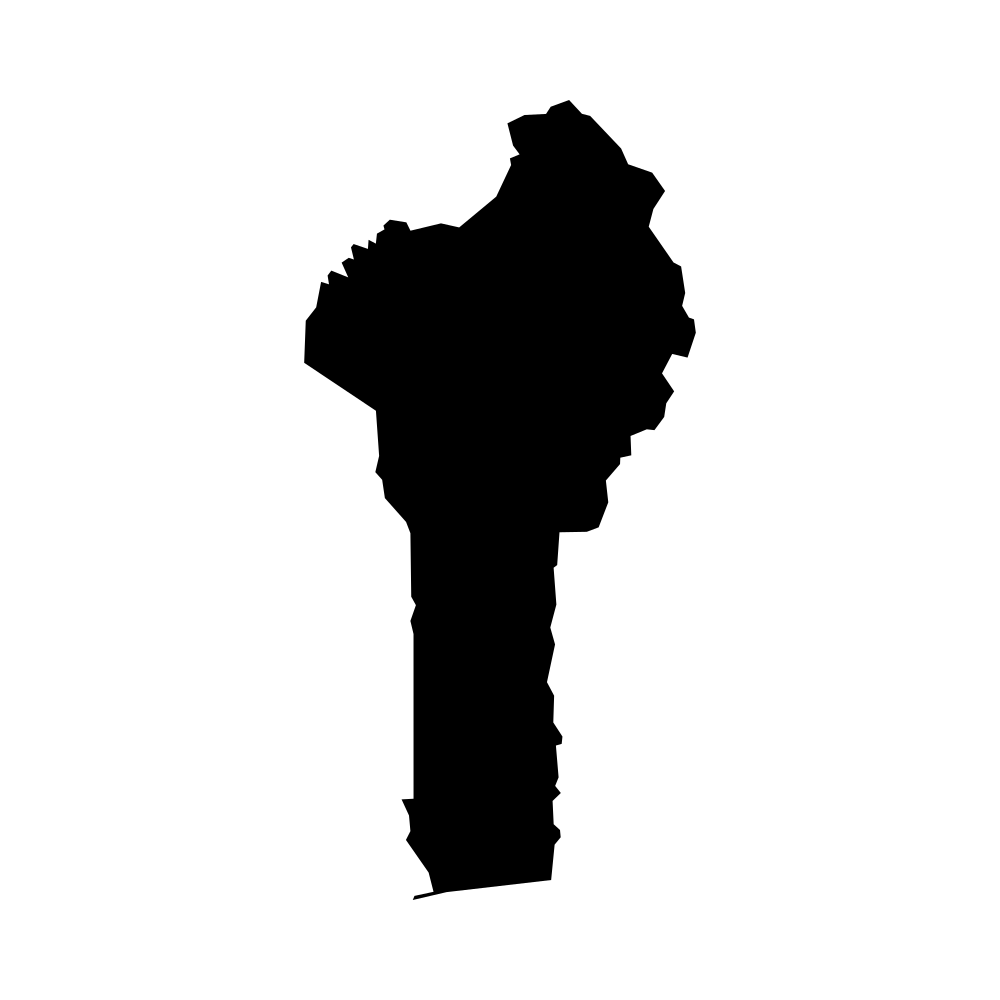
Quick Facts
- Capital
- Porto-Novo (constitutional capital); Cotonou (seat of government)
- Population
- 15,186,090 (2025 est.)
- Area
- 112,622 sq km
- Government
- presidential republic
- Languages
- 55 languages; French (official); Fon (a Gbe language), Yom (a Gur language) and Yoruba are the most important indigenous languages in the south; half a dozen regionally important languages in the north, including Bariba and Fulfulde
- Religions
- Muslim 27.7%, Roman Catholic 25.5%, Protestant 13.5% (Celestial 6.7%, Methodist 3.4%, other Protestant 3.4%), Vodoun 11.6%, other Christian 9.5%, other traditional religions 2.6%, other 2.6%, none 5.8% (2013 est.)
- Ethnic Groups
- Fon and related 38.4%, Adja and related 15.1%, Yoruba and related 12%, Bariba and related 9.6%, Fulani and related 8.6%, Ottamari and related 6.1%, Yoa-Lokpa and related 4.3%, Dendi and related 2.9%, other 0.9%, foreigner 1.9% (2013 est.)
- Currency
- Communaute Financiere Africaine francs (XOF)
- Life Expectancy
- 63 years (2024 est.)
- Internet Domain
- .bj
- Climate
- tropical; hot, humid in south; semiarid in north
- Terrain
- mostly flat to undulating plain; some hills and low mountains
- Natural Resources
- small offshore oil deposits, limestone, marble, timber
- Major Exports
- gold, cotton, coconuts/brazil nuts/cashews, soybeans, wood (2023)
Source: CIA World Factbook (public domain)
Overview
Present-day Benin is comprised of about 42 ethnic groups, including the Yoruba in the southeast, who migrated from what is now Nigeria in the 12th century; the Dendi in the north-central area, who came from Mali in the 16th century; the Bariba and the Fula in the northeast; the…