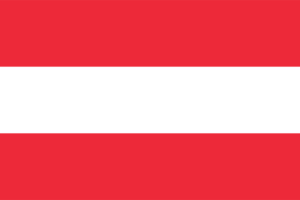
Austria
The Country of the Week
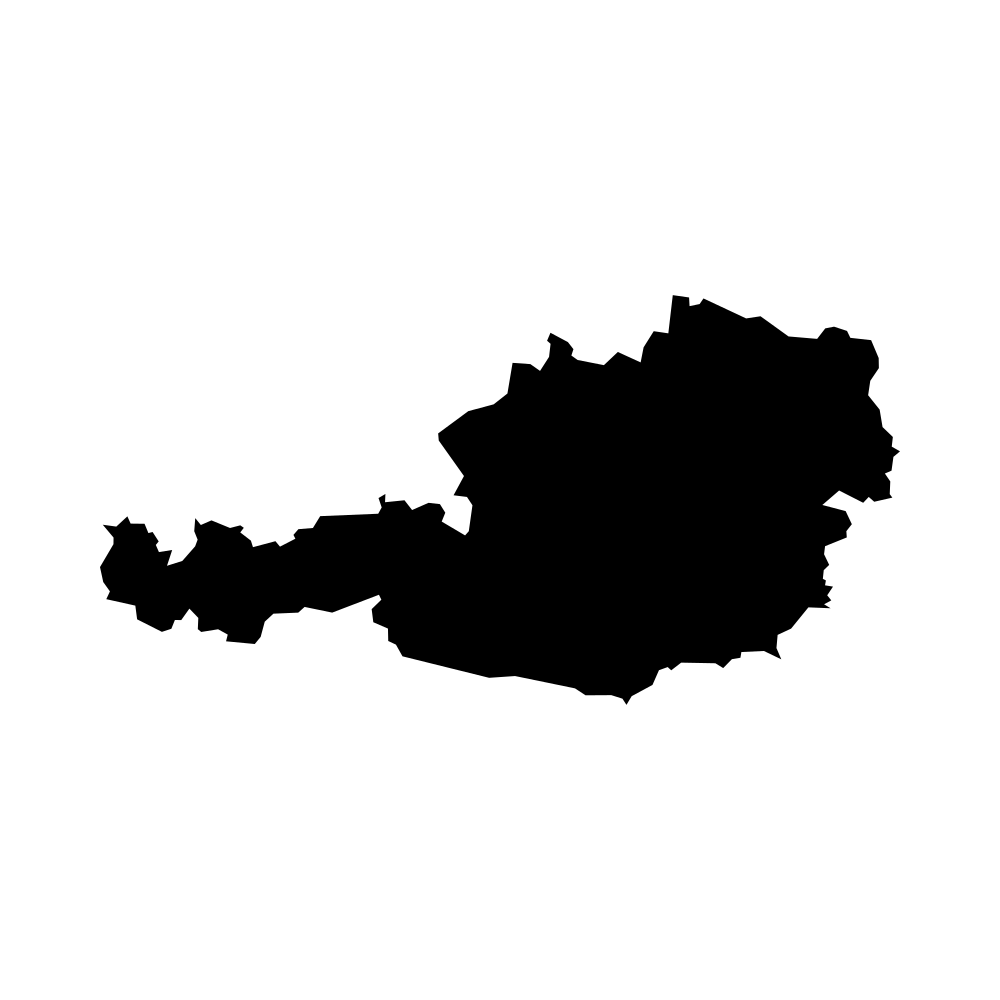
Quick Facts
- Capital
- Vienna
- Population
- 9,174,390 (2025 est.)
- Area
- 83,871 sq km
- Government
- federal parliamentary republic
- Religions
- Roman Catholic 55.2%, Muslim 8.3%, Orthodox 4.9%, Evangelical Christian 3.8%, Jewish 0.1%, other 5.4%, none 22.4% (2021 est.)
- Ethnic Groups
- Austrian 80.8%, German 2.6%, Bosnian and Herzegovinian 1.9%, Turkish 1.8%, Serbian 1.6%, Romanian 1.3%, other 10% (2018 est.)
- Currency
- euros (EUR)
- Life Expectancy
- 82.7 years (2024 est.)
- Internet Domain
- .at
- Climate
- temperate; continental, cloudy; cold winters with frequent rain and some snow in lowlands and snow in mountains; moderate summers with occasional showers
- Terrain
- mostly mountains (Alps) in the west and south; mostly flat or gently sloping along the eastern and northern margins
- Natural Resources
- oil, coal, lignite, timber, iron ore, copper, zinc, antimony, magnesite, tungsten, graphite, salt, hydropower
- Major Exports
- cars, packaged medicine, vaccines, vehicle parts/accessories, nitrogen compounds (2023)
Source: CIA World Factbook (public domain)
Overview
Once the center of power for the large Austro-Hungarian Empire, Austria was reduced to a small republic after its defeat in World War I. Nazi Germany annexed Austria in 1938, and the victorious Allies then occupied the country in 1945.